Millenary
The site of the former Ganz Machine Works has been transformed into the Millenaris Park with water features, vineyards and plots of corn to represent different regions of Hungary.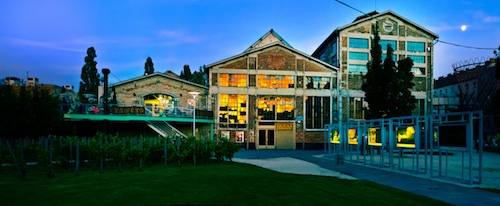
Kiránt-beránt
A Magyar néprajzi lexikon (szerk. Ortutay Gyula, Budapest : Akadémiai K., 1977-1982) szerint: "(a) rántás zsiradékban pirított liszt, ami folyadéktartalmú főtt ételek (leves, főzelék, mártás) sűrítésére szolgál. ... A régi nyelvben a ránt, rántás szó sütési műveletet jelentett, a legkülönbözőbb élelmiszereknek – köztük vöröshagymának is – zsiradékban való megsütését, pirítását..."
A mai szóhasználatban is rántásnak nevezzük a főzelékek sűrítését, de rántottnak nevezzük a forró zsíradékban kisütött húst, stb. is. - a lexikon megmutatja a két szó közös eredetét.
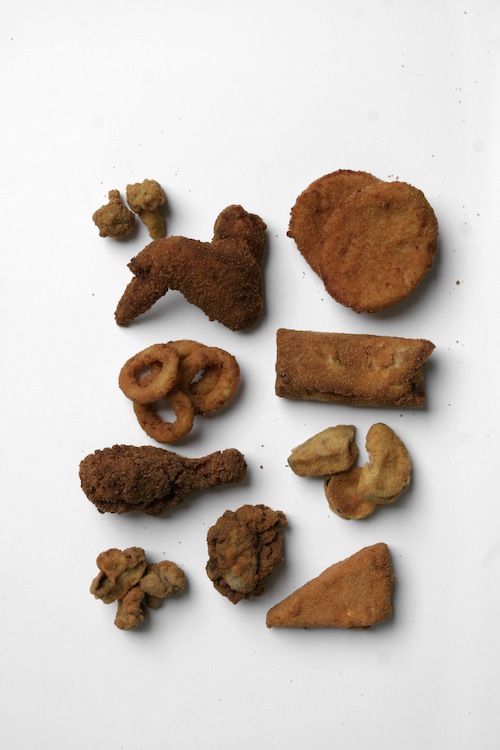
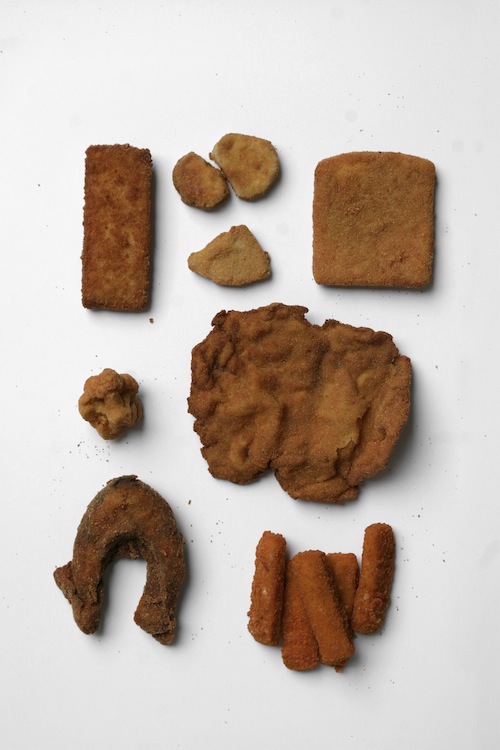
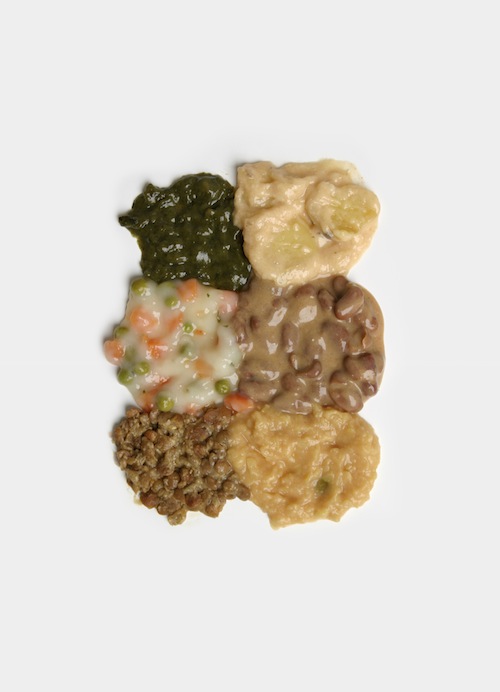
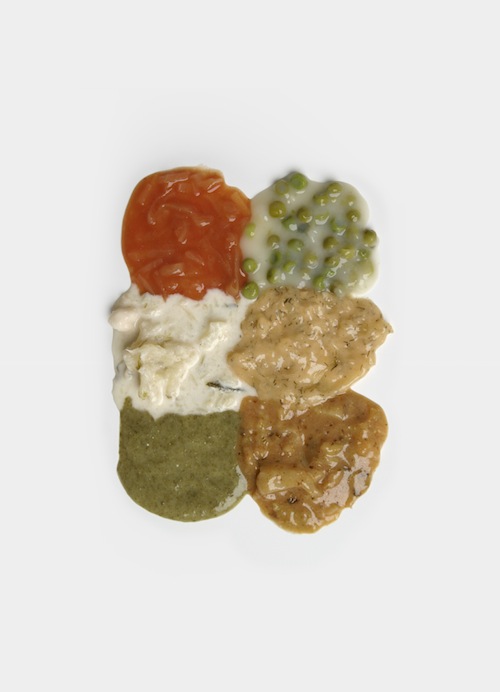
A két főzési mód számtalan alapanyag esetén alkalmazható és előszeretettel élnek is vele a háziasszonyok. Kirántanak szinte mindent, amin a panír megtapad, ezzel egyforma bundába, egyenruhába vagy ha úgy tetszik, kamuflázsba kényszerítik az élelmiszerek formagazdag sokaságát. A főzelékek esetében más a helyzet: alapanyagként csak zöldségfélék jönnek szóba, és itt többé-kevésbé megmarad a szín, ellenben elveszni látszik a forma, és ezzel együtt az állag, a halmazállapot egységesül.
(A képeken rántott brokkoli, csirkeszárny, hagymakarikák, csirkecomb, gomba, párizsi, palacsinta, cukkini, csirkemáj, camembert, tőkehalfilé, karfiol, ponty, padlizsán, zeller, sajt, hús, halrudacskák; illetve spenót-, finom-, lencse-, krumpli-, szárazbab-, sárgaborsó-, paradicsomos káposzta, karfiol-, sóska-, zöldborsó-, tök-, és kelkáposztafőzelék látható.)
Ez a dupla képpár a Magyarország Szubjektív Atlasza projekt keretében készült 2010-ben.
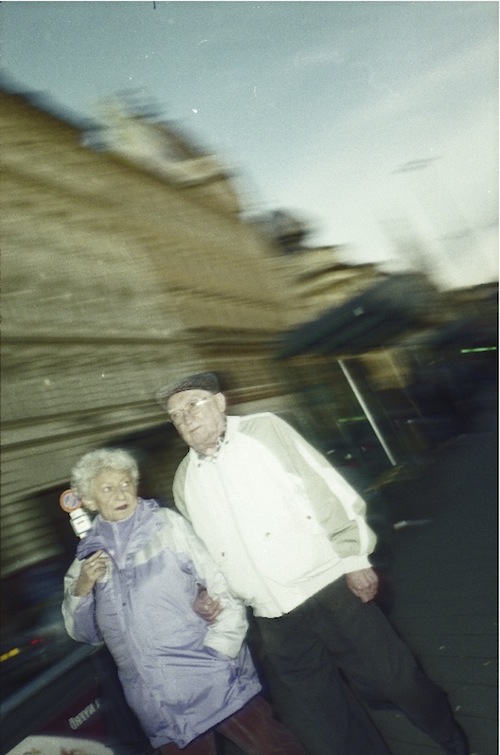
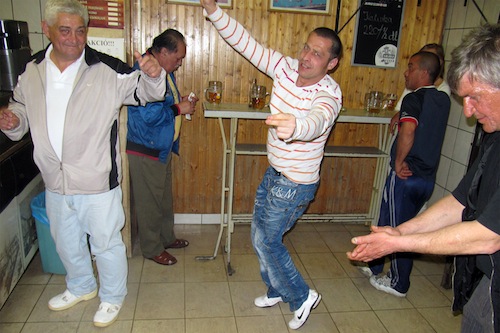
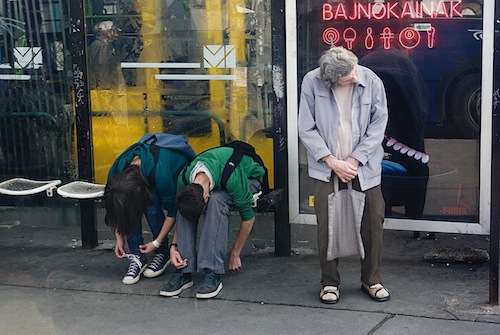
"This photos are the result of an experiment I tried to achieve while I was studying in Budapest, on the Erasmus program. In the few months I lived there, I could not help to notice the older citizens, their clothes, particular facial expressions, and busy life in the city, made them look like very typical characters to me. I tried several times to make a classic portrait photography series of Budapest old people, but all my attempts to talk to the people and ask them to take their portrait failed totally, as my hungarian is very poor and old people are generally suspicious. The whole process offered me some of the funniest (and sometimes very akward) moments of my contact with the Hungarian culture. In the end, i gave up all my specific ideas about this pictures and I just walked around the main avenues of Budapest taking fast pictures without any kind of permission. This work (complete in its totality by 8 pictures) tries to keep the colorful moving rush of the city and the unique characteristics of its people, and to be an honest, clear document on a relation between a curious outsider and the local inhabitants of a place."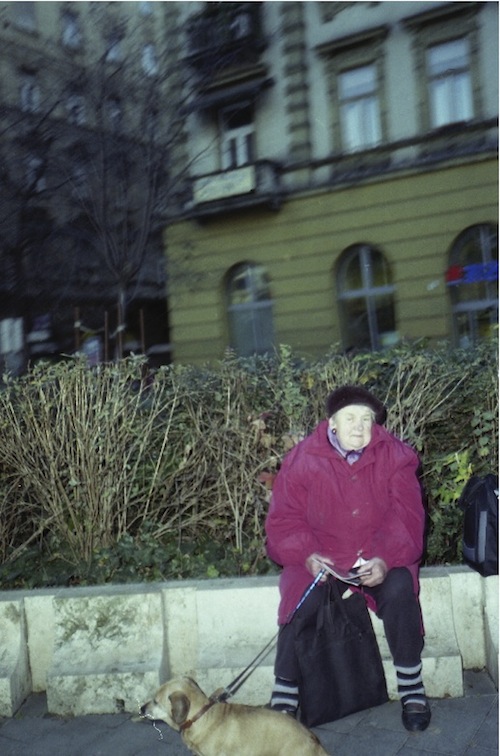
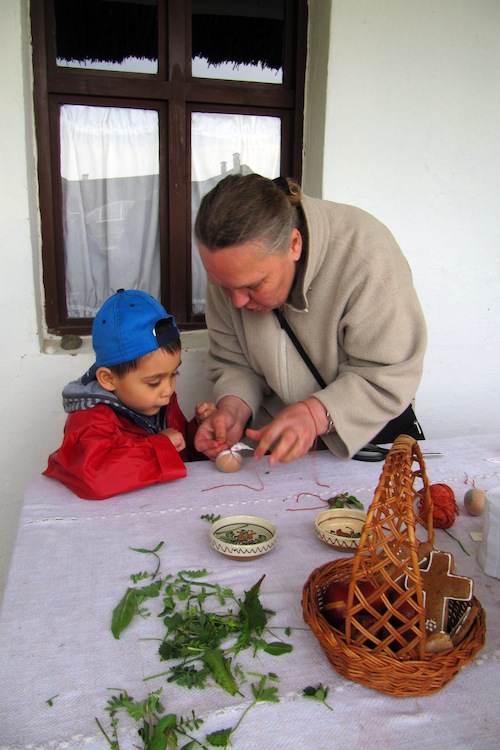
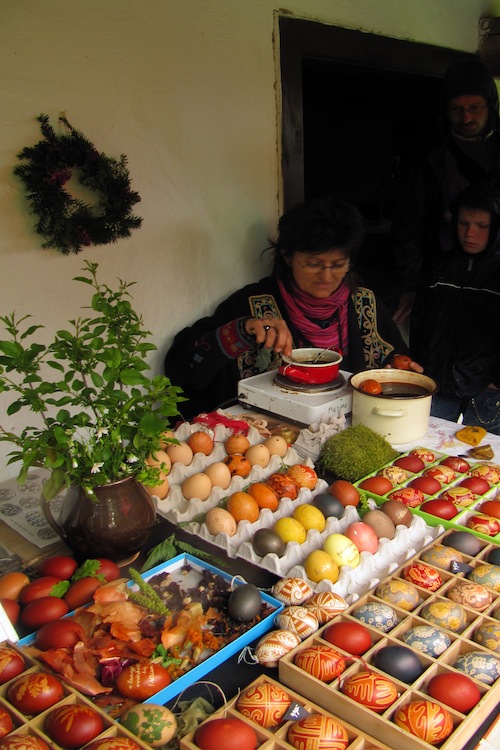
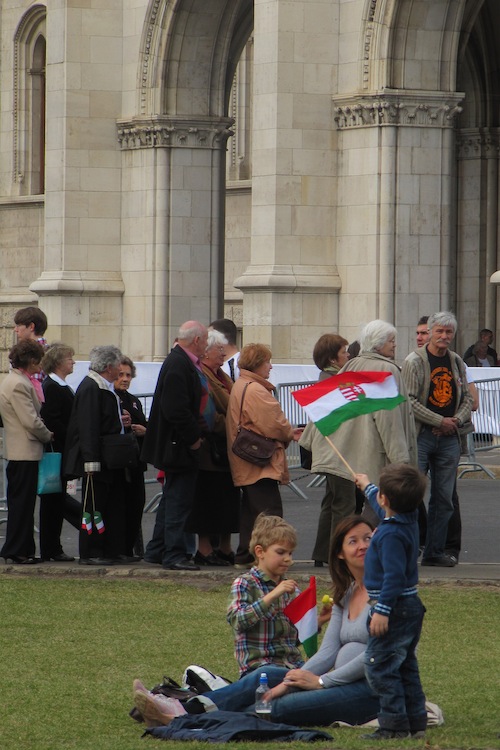
"Hungarians are a NATION which is extremely proud of its “magyarness”. Hungarians are still follow historical and religious traditions. And the most important (in my opinion) they are open for everybody and also for making fun."
.jpg)
Lost in time
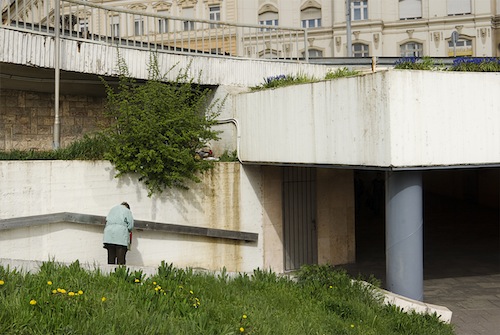
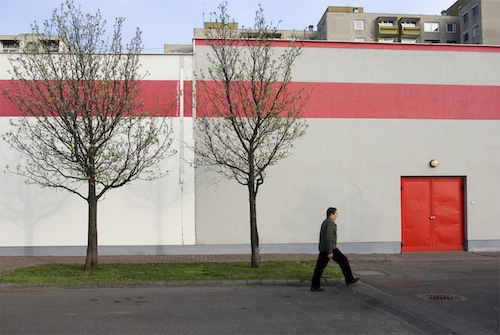
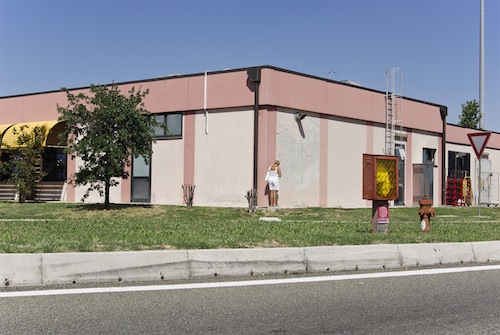
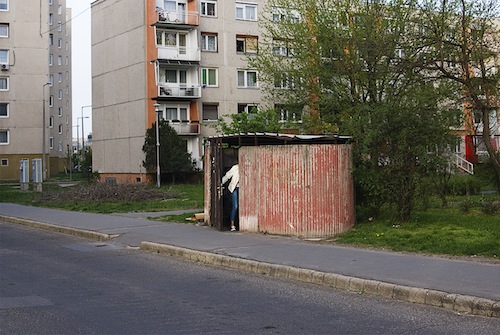
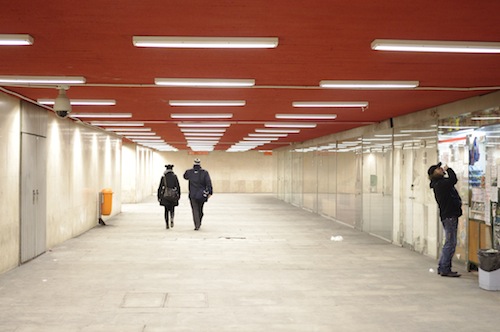
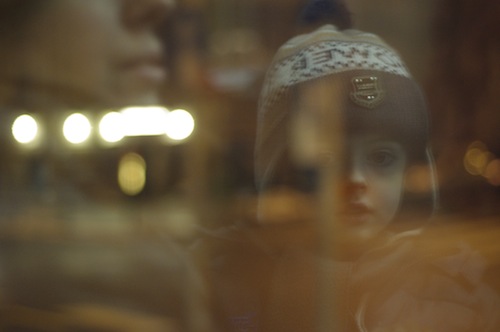
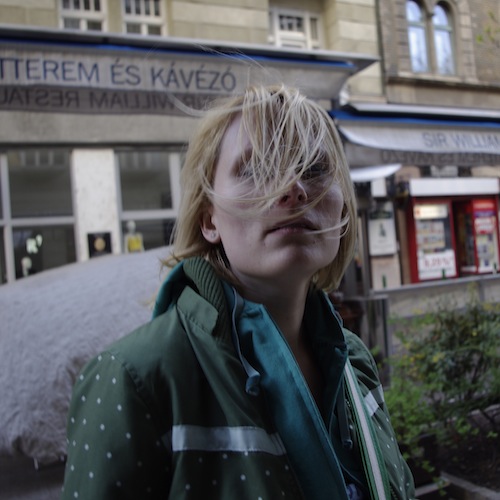
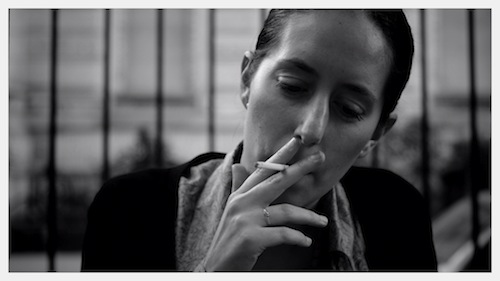
When i came to Budapest and i started to take pictures to discover the country some mysterious images began to appear in my photos. Humans with no past or future. I understood that maybe was the way to try to find the sense of to the citizens in a city like Budapest by a totally foreinger. So i tried to keep this feeling and point of view and continued exploring the feeling of a foreinger in Hungary. I think that it supposed that any foreinger from any country should feel the same in any different country but, Hungary is special and thouse nihilist, improvable and absurb moments in the streets are quiet specials in Hungary. How comedy and tragedy live together in the streets of Budapest is for me one of the main feelings a forengeir recieve when he comes.
I tried to work in this no-moments, where life appears pure and complex, unknown and imprecise.
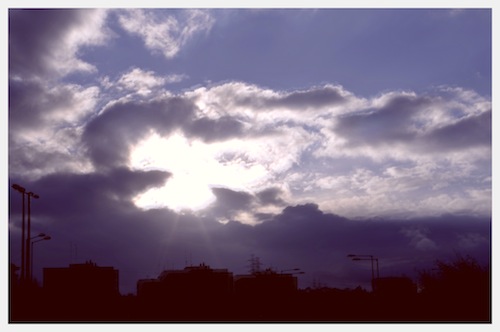
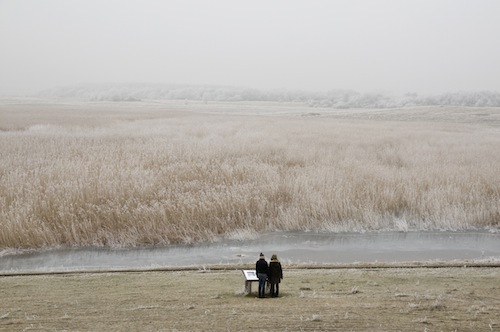
Winter at Kornyi Lake
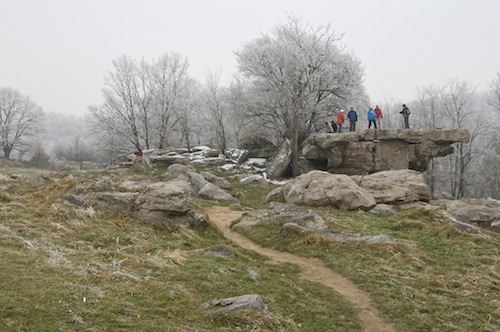
Group of young Hungarian people at famous natural formation, called Ingókő